This roundup will introduce you to the articles on this topic posted within the last two weeks (May 29 – June 3, 2019) for the “Perspectives of Teacher Education” class.
by Madina Baizhigitova, June 12, 2019
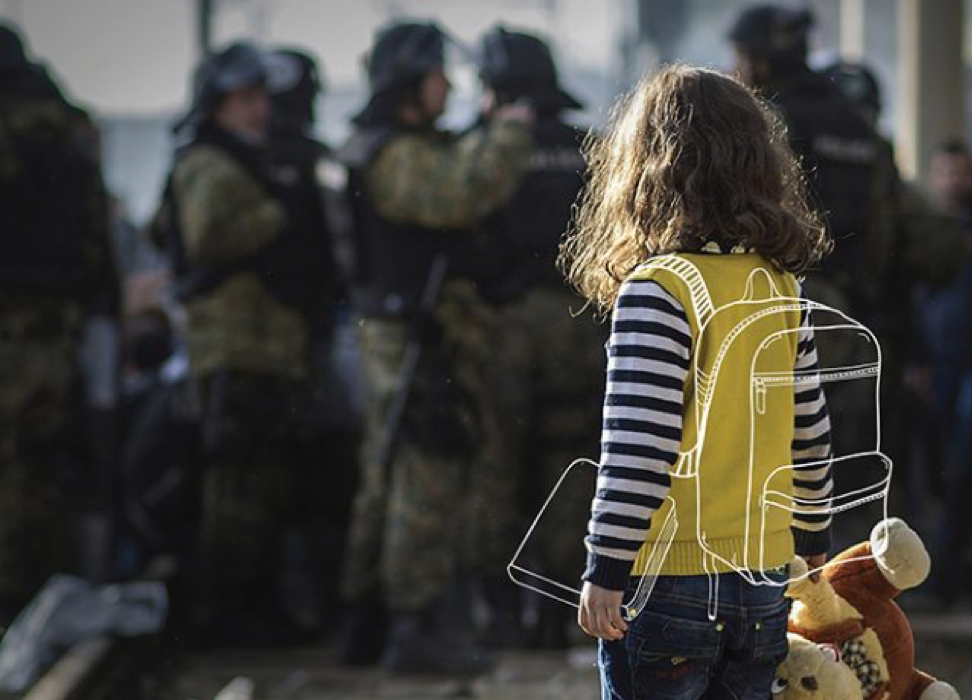
The attention to the topic of refugees and their future is much less strong these days than during the peak of migration and Syrian crisis. However, there are still many problems which need to be solved very soon. One of them is education of refugees, their children and future plans. Providing children and adults with the bare minimum for life and facilities is not enough. If the future generation will not receive a proper education, this may cause great problem of illiteracy, unemployment, poverty and crime. The following links provide information on what steps are being taken by authorities, opportunities created for refugees and other news to explain the overall situation as discussed in the past two weeks.
Introduction to the problem
- The problem of refugee kids not having access to education and to the outcomes it may bring based on an interview with Rohingya refugee parents (United Nations High Commissioner for Refugees, June 6, 2019) and a report made on the case of this group of people (United Nations High Commissioner for Refugees, June 6, 2019).
- The discussion of results of the conference (Inside Higher Ed, May 29, 2019) on strategies of documents verification and evaluation of refugees’ previous education. The main problem is that the refugees usually are not able to receive confirmation of their qualification from their home countries. This problem is can be solved by various recommendations given at the conference.
Financial issues
- Explanation of the situation around the decision of Trump’s administration on cutting down English classes and sports clubs funding (The Washington Post, June 5, 2019) for children of immigrants and refugees although these educational classes and recreational activities are crucial for physical and mental health during this period.
- The debate on how Budget cuts may impact the refugees and their children (El Sol Latino, June 6, 2019) who will be left without education and legal help.
- $7 million dollars to support educational needs of refugees (Education Cannot Wait, June 4, 2019) affected by the situation in Venezuela. Education Cannot Wait (ECW) allocated this money for grants to provide children and adolescents with schooling and other refugees with safe educational environment.
- Scholarships opportunities for International students (World Education Services, June 3, 2019) including refugees with instruction on how to choose the Canadian university and to apply to the scholarship. The article provides the links and describes other programs available for different categories of students.
Recommendations and examples
- 8 steps by education systems for integration of immigrant students (OECD Education Today, June 6, 2019). This article concentrates mostly on immigrants, but the concepts and recommendations are very practical and can be applied to refugees too.
- A real and challenging example of Female teachers in Uganda (Creative Associates International, June 5, 2019) who overcome various difficulties and serve refugee population. We can learn about the context of education system, the social, political, technical, cultural and financial difficulties and the practices for successful provision of education to a growing number of refugees.
- The role of politics on provision of access to education to refugees (American Anthropological Association, June 3, 2019). This needs to be taken seriously and timely in order to “strengthens the social and economic prospects of individual refugees”. The article reviews reasons for and obstacles behind the urgency of the situation.
I was introduced to the problem of the growing number of refugees, but I never realized how much it effects children, especially their education. The absence of proper education can possibly create a big issues with unemployment, financial problems, crime, etc. I also did not expect that there are these many articles on this topic within the last few weeks. While searching and reading the articles, I learnt not only about problems in financing and organizing educational opportunities for children, but also how to validate previous education of adult refugees. These articles give us a lot of useful information and also challenge us for further investigation and research on the situation of refugees in Kazakhstan. There is not much open-access recourses on refugees and their life conditions in the country. Therefore after learning about global perspective, we might be interested in the local context.
 Perspectives of Teacher Education in Higher Education